The Fibromyalgia Center
One center that sees you — and the whole picture.
A comprehensive medical assessment and a personalized treatment plan, with a compassionate approach focused on helping you function better in daily life.
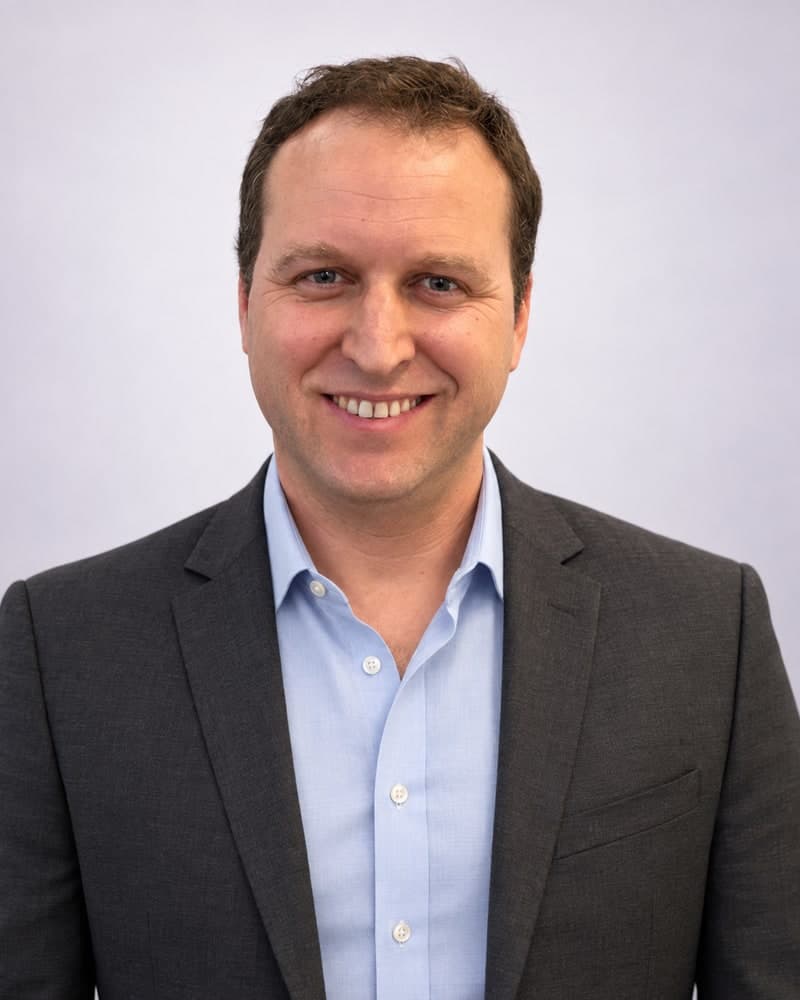
Dr. Shelleg DvorkinOccupational Medicine Specialist and Director of The Fibromyalgia Center
Who is the center for?
The center is for people who have been diagnosed with fibromyalgia, as well as those experiencing symptoms that may fit fibromyalgia and seeking a medical assessment to clarify the diagnosis.
If you're still looking for clarity and a way forward
- You've been given a diagnosis, but still don't have a clear explanation of what you're experiencing or what your symptoms mean.
- You've seen different doctors and specialists, but are still looking for someone to bring the whole picture together.
- You're looking for a treatment plan that offers a clear way forward and hope for improvement.
Symptoms may include:
- Widespread pain, or pain in several areas of the body
- Fatigue
- Unrefreshing sleep
- Difficulty concentrating and with memory
- Increased sensitivity to touch, pressure, or sensory input
Our approach — and the path we'll build together
You deserve to be heard, believed, and seen as a whole person.
Your pain is real. Current knowledge of pain mechanisms helps us better understand what you are experiencing and guide treatment accordingly. Together, we will explore your medical history, how your symptoms affect your life, and what matters most to you.
Understanding the whole picture
Your medical assessment includes listening to your story, reviewing previous investigations and treatments, and performing a physical examination. We will work to clarify the diagnosis and determine whether further evaluation is needed.
Building a plan that fits your life
Together, we will set personal goals and choose treatment options based on your condition, preferences, and daily life.
Supporting you and adapting your care
We will monitor changes in your symptoms and daily functioning, review what is helping, and adjust your plan.
Dr. Shelleg Dvorkin
Specialist in Occupational Medicine
MD, MBA, MOCCH
Dr. Shelleg Dvorkin is a specialist in occupational medicine who completed a one-year clinical fellowship in chronic pain treatment at the Toronto Rehabilitation Institute, under the mentorship of Dr. Andrea Furlan. He has basic and advanced training in Pain Reprocessing Therapy (PRT).
Why I founded the center
I chose to establish the center out of a need I encounter among people with fibromyalgia: after tests, treatments, and meetings with various specialists, what's often still missing is someone to connect the picture and take the time to explain what's happening and what can be done.
The center is designed to give the story of pain its place within the story of your life, to connect medical knowledge with practical tools, and to build a plan that can be applied in everyday life. It matters to me that every person feels that their pain is believed, that its impact is understood, and that we examine the path to improvement together.
Professional training
Clinical Fellowship in Chronic Pain Rehabilitation — University of Toronto
Additional training and professional memberships
- Graduate of a year-long hypnosis training program, Tel Aviv University.
- Graduate of a psychosomatics course, the Israel Medical Association.
- Graduate of a positive psychology course, the Israel Medical Association.
- Member of the Israeli Society for Hypnosis.
- Member of the Israeli Psychosomatic Society.
Planned services at the center
Select a service to learn more.
Medical Assessment & Personalized Treatment Plan
Before the appointment, we will ask you to complete questionnaires and gather relevant medical documents. During the appointment, we will listen to your story of pain and its place in your life, review previous tests and treatments, and carry out a physical examination.
At the end, you will receive an organized medical summary: a diagnostic assessment, recommendations for further testing if needed, and a personalized treatment plan based on your needs and preferences.
Together, we will define the goals that matter to you. The treatment plan may include education and practice tools, tailored physical activity, medication, PRT, and referrals to additional care providers.
The first appointment will take place at the center. Later on, it may be possible to combine remote appointments, depending on suitability and your preferences.
Pain Reprocessing Therapy (PRT)
PRT focuses on how the brain and nervous system interpret and respond to signals from the body. Our program brings together four components: understanding pain and how it is interpreted, developing awareness of bodily sensations and skills to manage them, working with responses and habits, and addressing emotions.
Each session includes education, time for questions, and guided practice. You will receive session summaries and exercises to practice between appointments, and we will discuss your experiences in subsequent sessions.
Treatment will be offered individually and in groups, following an initial assessment. Individual treatment usually involves 6-8 sessions, while the group program consists of 8 sessions. PRT groups will typically include 10-12 participants in person or 12-15 participants online, subject to availability.
A medical assessment will help determine whether PRT is appropriate for you. It is not suitable for every person or every type of pain.
Follow-up & Treatment Adjustment
During follow-up, we will track changes in your symptoms and functioning, including through conversation and structured questionnaires, and update your treatment plan as needed.
Work Capacity Assessment
Provided by an occupational medicine specialist, this service assesses how fibromyalgia and coexisting medical conditions affect your ability to work and carry out your job duties.
The assessment may support a request to your employer, an insurance claim for loss of work capacity, a disability claim with Israel's National Insurance Institute (Bituach Leumi), or legal proceedings. Depending on the purpose of the assessment, a written occupational medical opinion will address your medical condition, job requirements, and functional limitations.

Learn more, at your own pace
Articles and videos about fibromyalgia, pain, and treatment options.

Common questions
Is the center accepting patients yet?
We are preparing to open the center. You can sign up to receive updates as we get closer to opening. Signing up does not book an appointment.
Who is the center for?
The center is for adults aged 18-75 who have been diagnosed with fibromyalgia, as well as those experiencing symptoms that may be consistent with fibromyalgia and seeking a medical assessment to clarify the diagnosis.
Can I come for an assessment if I haven't been diagnosed with fibromyalgia?
Yes. If you are experiencing widespread pain and other symptoms but do not yet have a clear diagnosis, we will explore this during your initial assessment. Based on the findings, we will recommend further evaluation or an appropriate treatment plan.
What does the initial assessment involve?
The initial assessment is a 60-90-minute appointment. We will discuss your symptoms and how they affect your daily life, review previous investigations and treatments, and perform a physical examination as needed. Together, we will set goals and develop a plan for your care.
What is PRT, and what happens during the sessions?
Pain Reprocessing Therapy (PRT) is an approach to treating chronic pain. Our program brings together four components: understanding pain and how it is interpreted, exploring bodily sensations, working with responses and habits, and addressing emotions.
Each session includes education, time for questions, and guided practice. You will receive session summaries and exercises to practice between appointments, and we will discuss your experiences in subsequent sessions.
Individual treatment usually involves 6-8 sessions. The group program consists of 8 sessions.
Do I have to take part in PRT or take medication?
No. Our recommendations will be based on your assessment, needs, and preferences. PRT and medication are among the available treatment options. Your plan may also include self-directed learning and practice using resources we recommend. Any medication changes will be made as part of your ongoing medical care.
Will PRT be offered individually or in groups, and in which languages?
We plan to offer both individual and group PRT, based on an initial assessment. Hebrew-language groups will be available in person, usually with 10-12 participants, or online, usually with 12-15 participants.
English-language groups will be offered online only. Waiting times for these groups may be longer than for Hebrew-language groups.
How will we know whether treatment is helping, and how long might it take?
At the start, we will set personal goals together and track changes in your symptoms, daily functioning, and confidence in managing your condition. Structured questionnaires will also help us monitor your progress.
We will review progress over weeks and months, looking at changes over 3-6 months and beyond. The pace and extent of improvement vary from person to person. Not noticing improvement in the first few sessions does not, on its own, mean that treatment has failed. If you are not making progress or your symptoms worsen, we will reassess and adjust the plan as needed.
There is still reason for hope, and improvement is possible even after a long time living with pain.
What if I struggle to find the time or energy to practice?
Practice will be tailored to your abilities and daily routine. The aim is for the skills you learn to gradually become part of everyday life, without adding pressure or stress. During sessions, we can discuss any difficulties and adapt the practice together.
I have to share personal experiences in a group?
No. A group can help you feel less alone and learn from other people's experiences, but you decide what and how much to share. Working with emotions does not require you to disclose any information or experiences you would prefer to keep private.
Can I choose the language of my medical summary?
Yes. You can receive your medical summary in Hebrew or English, according to your preference.
Stay informed
Choose the updates you would like to receive from The Fibromyalgia Center.
For general inquiries:
info@fibromyalgia-center.co.il
Already subscribed and want to receive another type of update? Contact us.